


-

Add: HeBei ShengShi HongBang Cellulose Technology CO.,LTD.
-

Email
13180486930@163.com -

CONTACT US
+86 13180486930


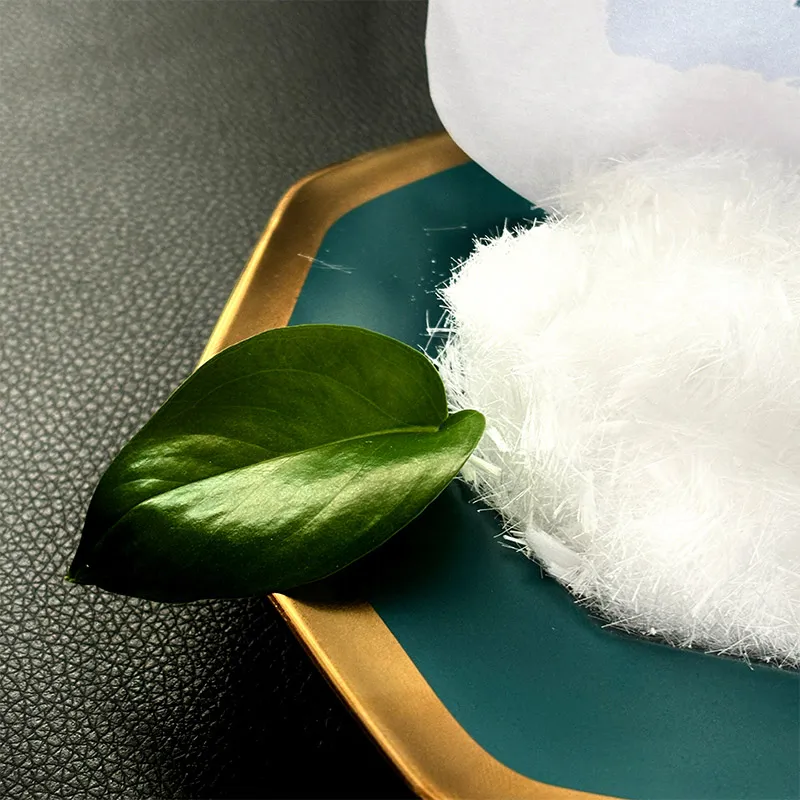
Monofilament polypropylene fiber, a remarkable advancement in the field of construction materials, serves as a pivotal component in modern infrastructure and industrial applications. Renowned for its unparalleled properties, these fibers have marked profound transformations across various domains, leveraging their superior quality, durability, and versatility. Polypropylene, a polymer-based material, formulates the foundation of these fibers, infusing them with characteristics that withstand stringent environmental conditions. Engineered for precision, monofilament fibers exhibit exceptional tensile strength and resistance to moisture, chemicals, and abrasion. This strength and resilience stem from meticulous manufacturing processes that align with rigorous industry standards, ensuring optimal performance in demanding situations. Industrial experts acknowledge the unique benefits of incorporating monofilament polypropylene fibers into concrete. One of the primary advantages is the enhancement of concrete's structural integrity. When mixed with concrete, these fibers intersperse evenly, preventing defects such as cracking, shrinking, and structural weaknesses that typically occur due to environmental changes or mechanical stresses. The fibers act as reinforcements, distributing stress across the structure, thereby enhancing its longevity and reducing maintenance costs over time. Incorporating monofilament fibers in construction projects has been validated by numerous case studies. For instance, highway infrastructures subjected to extreme weather conditions have shown significant improvements in durability and wear resistance with these fibers. Construction specialists have observed reductions in crack formations and increased tensile strength, demonstrating real-world applications where monofilament polypropylene fibers contribute effectively to extending the lifespan of concrete constructs. The environmental impact of construction practices necessitates a shift towards sustainable solutions. Monofilament polypropylene fibers support this transition by minimizing the dependency on traditional reinforcement materials like steel mesh or rebar . With a lower carbon footprint during production and application phases, they offer an eco-friendly alternative, aligning with global initiatives to reduce greenhouse gas emissions and preserve natural resources. Quality and safety standards upheld in the production of these fibers play a crucial role in establishing their credibility. Manufacturers adhere to strict guidelines to produce fibers that are consistent in size and performance, ensuring reliability across different applications. Their continued evolution is marked by innovations aiming to enhance efficiency and adaptability in various environmental conditions, further solidifying their position in the market as a trusted material for reinforcement. monofilament polypropylene fiber The versatility of monofilament polypropylene fibers extends beyond traditional construction applications. They find prominence in contemporary architectural designs that emphasize sustainability without compromising on aesthetic appeal. Lightweight yet formidable, these fibers enable architects and designers to explore innovative designs by allowing flexibility in form and surface finish. Moreover, monofilament polypropylene fibers are indispensable in specialized applications such as the construction of water-resistant structures, including swimming pools, water tanks, and marine constructions. The fibers’ inherent resistance to microbial growth and chloride ion penetration enhances the longevity and safety of such structures, proving essential in maintaining hygienic standards and reducing maintenance expenses. In agricultural and geotechnical engineering, these fibers are instrumental in erosion control projects, where they reinforce soil and provide stability to landscapes subject to erosion forces. Their application not only ensures the structural integrity of agricultural lands and geotechnical projects but also contributes to sustainable land management practices, promoting environmental conservation and land preservation. The trustworthiness of monofilament polypropylene fibers is reinforced by endorsements from leading civil engineering associations and their compliance with international standards in construction and safety. Industry professionals gravitate towards their use due to comprehensive research and data backing their effectiveness and efficiency. To ensure continued advancements in infrastructure, experts advocate for ongoing research and integration of new technologies that can complement the attributes of monofilament polypropylene fibers. Collaboration between industry, academia, and research institutions will play a crucial role in exploring novel applications and enhancing the effectiveness of these fibers in forthcoming projects. In conclusion, monofilament polypropylene fiber represents a significant leap toward innovative and sustainable construction practices. Its multifaceted benefits, underpinned by expert validation and environmental advantages, herald a new era where the construction industry can meet modern challenges through durable, reliable, and ecologically responsible solutions. These fibers not only stand as a testament to engineering excellence but also reinforce the future of infrastructure development on a global scale.
- 40000tons

Production
- 20+years

Experience
- 5000+㎡

Acreage

-
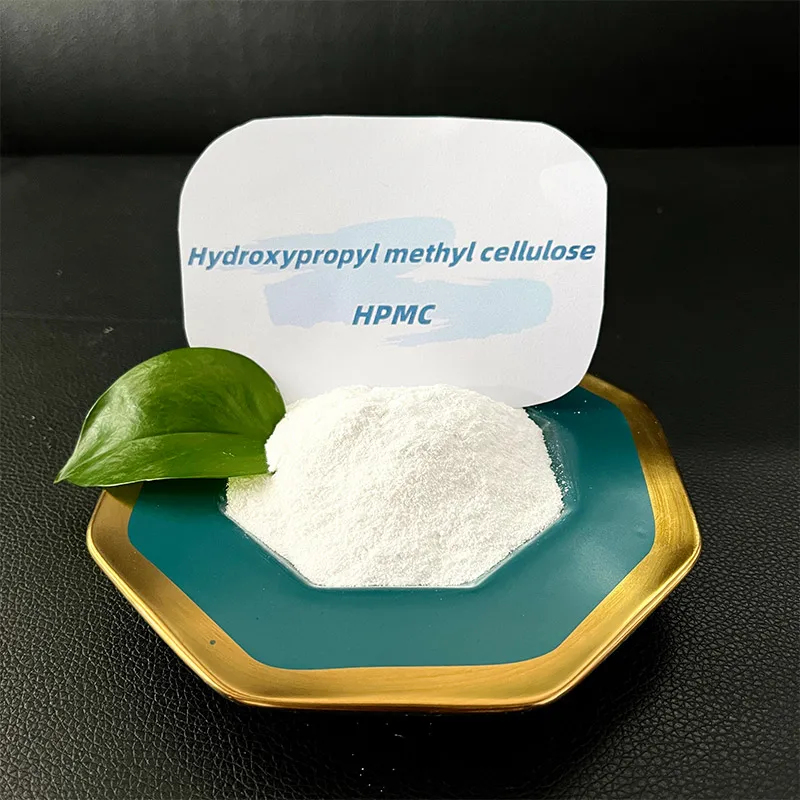
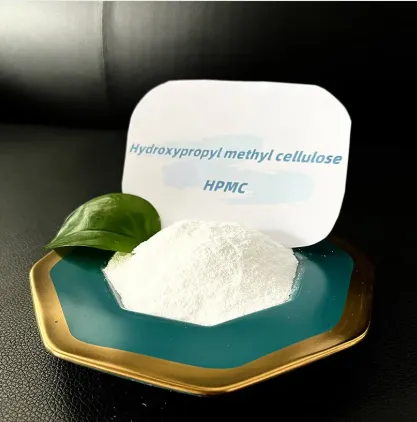
Hydroxypropyl Methylcellulose (HPMC) has emerged as a crucial ingredient in various industries, with China being one of the leading suppliers globally. This versatile compound, commonly utilized in pharmaceuticals, construction, and food products, plays a pivotal role in enhancing product performance and stability. As a seasoned SEO expert, uncovering the depth of HPMC in China can enrich the industry's understanding and application of this powerhouse product. In the pharmaceutical sector, HPMC is indispensable due to its film-forming and gel-forming capabilities. It functions as a binder, film-coating agent, and controlled-release agent in tablets and capsules. Chinese HPMC manufacturers have honed their expertise to produce high-purity, consistent quality cellulose ethers that meet stringent international standards. These advancements not only ensure the safety and efficacy of pharmaceutical products but also encourage innovation in drug formulation and delivery systems. The construction industry benefits significantly from HPMC's properties. Used as an essential additive in cement-based mortars and plasters, HPMC enhances workability, water retention, and open time. Chinese producers have developed specific grades of HPMC tailored for dry-mix and wet-mix applications, ensuring optimal performance across varied environmental conditions. The adaptability of HPMC in enhancing adhesion, reducing water demand, and improving surface finish underscores its indispensability in modern construction. In food products, HPMC serves as an effective emulsifier, stabilizer, and thickener. The evolution of dietary habits and the growing demand for gluten-free and vegetarian options have spurred the need for reliable food-grade HPMC. Chinese manufacturers have responded with rigorous quality control processes that guarantee the safety and consistency of their HPMC offerings. This commitment to excellence fosters confidence among global food producers seeking to deliver innovative consumer products. hpmc china The success of HPMC production in China can be attributed to several factors . The availability of abundant raw materials, coupled with a well-established industrial infrastructure, allows Chinese companies to maintain competitive pricing without compromising on quality. Furthermore, investment in research and development has enabled these companies to produce a broad spectrum of HPMC derivatives that cater to specific industry requirements. By engaging in continuous innovation and quality improvement, Chinese HPMC manufacturers have established a reputation for expertise and reliability in the global market. For businesses seeking to leverage HPMC's capabilities, collaborating with Chinese suppliers presents an opportunity to access cutting-edge technology and top-tier products. The transparency and trustworthiness demonstrated by these suppliers in adhering to international certifications and environmental standards provide additional assurance of their suitability as long-term partners. Ensuring an ethical and sustainable supply chain is paramount, and Chinese manufacturers have shown commitment to these principles, enhancing their standing in the global marketplace. As the demand for HPMC continues to grow across various sectors, fostering a deeper understanding of its applications and benefits is crucial. Companies that recognize the strategic importance of sourcing high-quality HPMC from reputable Chinese suppliers are positioned to enhance their product offerings and maintain a competitive edge. By prioritizing experience, expertise, authoritativeness, and trustworthiness, these companies can maximize the potential of HPMC, driving innovation and growth in their respective industries.
-

Rubber powder is a versatile and high-performance material widely used across various industries. Known for its excellent properties, rubber powder is derived from the recycling of waste rubber products and can be used to enhance the properties of a variety of products, including construction materials, automotive parts, and industrial goods. Whether you are looking to improve the strength, flexibility, or durability of your products, rubber powder is the solution you need. Explore the various benefits and applications of this innovative material, and make your products stronger and more sustainable. Rubber Powder for Sale: High-Quality Options for Every Need Looking for rubber powder for sale ? We offer a wide selection of high-quality rubber powder products to meet the demands of various industries. Our rubber powder for sale comes in different grades and specifications, so you can find the perfect match for your needs. Whether you need rubber powder for construction, automotive, or any other application, our products are designed to deliver exceptional performance, durability, and cost-efficiency. Browse our range of rubber powder for sale today and get the best value for your projects. Natural Rubber Powder: Sustainable and High-Performance Natural rubber powder is made from renewable resources and is an eco-friendly alternative to synthetic materials. It offers a range of performance benefits, including enhanced flexibility, shock absorption, and resistance to wear and tear. Natural rubber powder is widely used in the manufacturing of rubber compounds, playground surfaces, sports tracks, and more. By incorporating natural rubber powder into your products, you can create sustainable solutions that do not compromise on performance. Choose natural rubber powder for superior quality and environmental responsibility in your applications. Nitrile Rubber Powder: The Ultimate Solution for Industrial Applications When it comes to industrial applications, nitrile rubber powder is the go-to choice for many manufacturers. Known for its excellent resistance to oils, solvents, and chemicals, nitrile rubber powder is used in a variety of industrial products, including seals, gaskets, and protective coatings. By adding nitrile rubber powder to your materials, you can significantly enhance their durability and performance, especially in environments exposed to harsh chemicals and extreme conditions. Whether you are looking to improve the longevity or the functionality of your industrial products, nitrile rubber powder is the ideal solution. Why Choose Our Rubber Powder for Your Projects? Our range of high-quality rubber powder products, including natural rubber powder and nitrile rubber powder , is designed to meet the highest industry standards. With years of expertise in the field, we ensure that every batch of rubber powder is carefully processed and tested for quality. Our products are available at competitive prices, so you get the best value for your money without compromising on quality. Whether you are in construction, automotive, or any other industry, we provide the right rubber powder to improve the performance, durability, and sustainability of your products. Trust us to supply you with top-quality rubber powder for all your business needs. Rubber Powder FAQs What is rubber powder used for? Rubber powder is widely used in various industries to improve the properties of products, including construction materials, automotive parts, and industrial goods. It enhances the flexibility, durability, and strength of materials, making it ideal for use in coatings, adhesives, and flooring. Additionally, rubber powder is commonly used in manufacturing rubber compounds, playground surfaces, and sports tracks due to its excellent shock absorption and wear resistance properties. Where can I buy rubber powder for sale? We offer a wide range of rubber powder for sale , including natural rubber powder and nitrile rubber powder , designed to meet the specific needs of your project. Browse our online catalog to discover the best options for your requirements, and reach out to us for further inquiries. What is natural rubber powder? Natural rubber powder is made from natural latex rubber, which is derived from the rubber tree. It is a sustainable, eco-friendly material used to enhance the properties of various products. Natural rubber powder is known for its excellent flexibility, impact resistance, and shock-absorbing qualities, making it an ideal choice for applications in construction, flooring, and rubber compounds. What is nitrile rubber powder and how is it used? Nitrile rubber powder is a type of synthetic rubber that offers superior resistance to oils, chemicals, and solvents. It is commonly used in industrial applications, including seals, gaskets, protective coatings, and various automotive components. Nitrile rubber powder is an excellent choice when durability and resistance to harsh conditions are required. Why should I choose your rubber powder for my projects? Our rubber powder products, including natural rubber powder and nitrile rubber powder , are sourced and processed to the highest standards to ensure exceptional performance. We offer competitive pricing and flexible options, making it easy for you to get the right rubber powder for your project. Whether you need rubber powder for sale for construction, automotive, or industrial use, we provide the highest quality materials that guarantee long-lasting results and improved product performance.
advantages
-

200000 Viscosities
Excellent product
We can produce pure products up to 200,000 viscosities
-

40000 tons
High yield
We don’t stop production all year round, and the annual output can reach 40,000 tons
-

24 hours
Quality service
We provide 24-hours online reception service, welcome to consult at any time
———— Inquiry Form
Schedule A services

-
 wood_cellulose_fiber
Oct . 25, 2025
Chemical materials have become an integral part of countless industries, enabling innovations and im -
 wire_mesh_for_cement
Oct . 25, 2025
The Versatile Uses of Crumb Rubber Powder Crumb rubber powder, a product derived from the recycling -
 fibra_de_pelo_de_polipropileno
Oct . 25, 2025
The gypsum retarder chemical is a crucial component in the world of plastering and construction. Gyp


